Food, culture & wellness - 1st Salone della dieta Mediterranea
ITALYGASTRONOMYFOOD
Lamya Valter Schmidlin
5/30/20222 min read
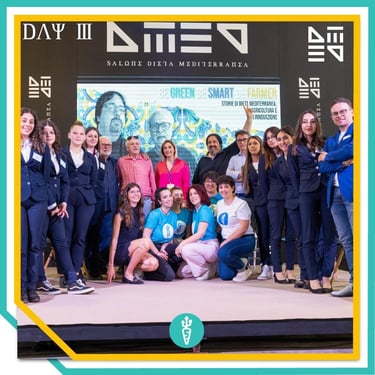
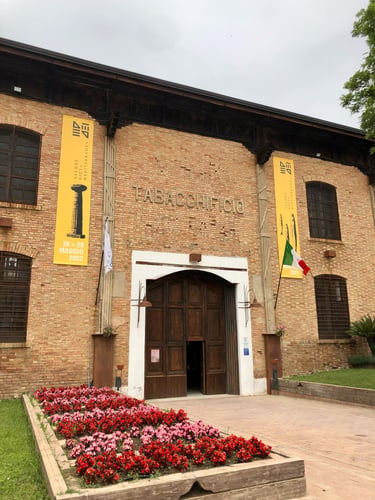
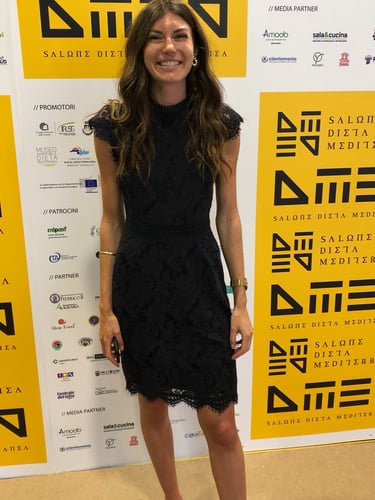
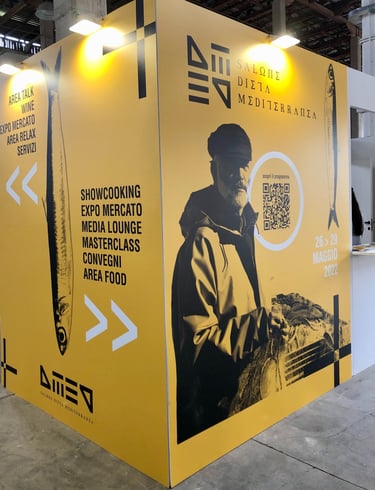
The 26th of May 2022 kicked off the first edition of the Mediterranean Diet fair held in Southern Italy. This unique event gathered stakeholders such as researchers, nutritionists, growers or chefs in order to share their knowledge about this UNESCO intangible heritage. It was also a way for them to become real ambassadors of this lifestyle for 4 days, promoting insights, autochthonous products, practices and stories.
The fair was held in Paestum in the area of Cilento, a way to pay homage to Ancel Keys, the American researcher that highlighted this specific lifestyle in the 1950’s. Indeed, while on a trip in the Province of Salerno in Italy, Ancel Keys noticed a correlation within the way of living - and eating - and the high life expectancy of the inhabitants. Researches were then conducted in 7 European countries that share the same lifestyle and compared with USA and Japan. Results have shown that what has been defined as Mediterranean diet helps humans to prevent cardiovascular diseases.
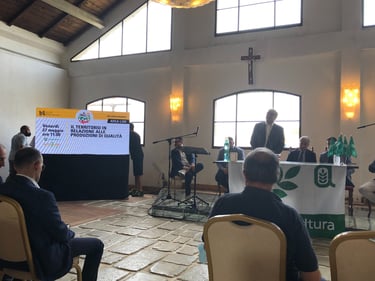
The beneficial aspect of this lifestyle was a point highlighted along the event thanks to the different talks which gathered researchers from the National Research Council. The 4 days were indeed punctuated by insightful conversations that have helped to illustrate how this diet can both influence the way of living of the consumers and valorize the territory through the consumption of local healthy ingredients.
The mediterranean diet is often represented as a pyramid with many levels representing the daily ingredients which compose it. The shape helps to understand the importance of well-balancing the different sources of nutrients such as privileging fruits and vegetables everyday, adding a little portion of diary while letting sweet cakes for more special occasions. The Mediterranean diet is thus an integral way of living as it also include sport practice daily and a responsible way of consuming the different ingredients.
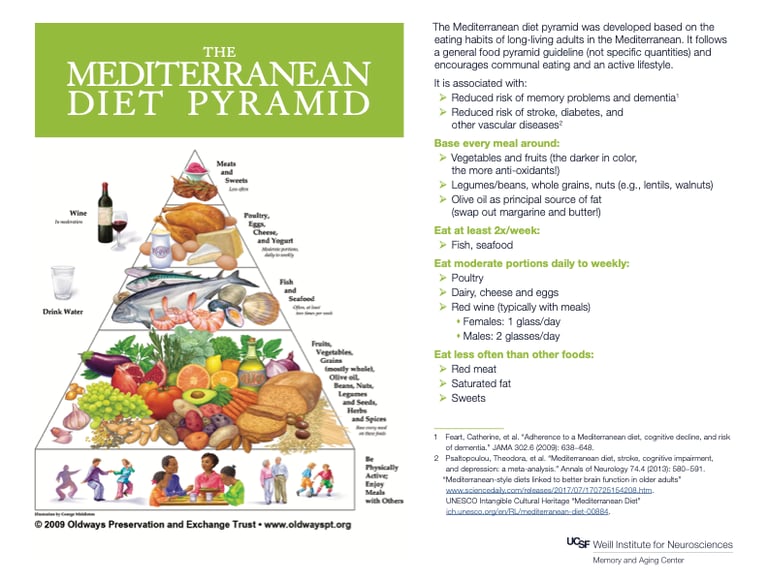
https://memory.ucsf.edu/sites/memory.ucsf.edu/files/MediterraneanDietHandout.pdf
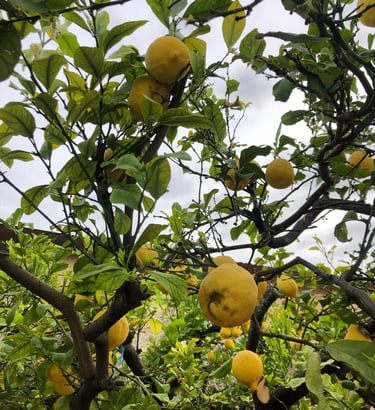
However, one of the issue forwarded during that fair is that the potential of the Mediterranean diet seems to be underexploited. Indeed, it can offer a sustainable response to the broken current food consumption model. The basic components being raw ingredients such as whole grain carbs, fruits and vegetables, living the Mediterranean lifestyle includes then reducing the consumption of processed foods, which also mean to stimulate the resources of the area itself while consuming local products.
In this vein, communication, which includes education is meaningful to understand how important autochthonous products consumption and a well-balanced diet are to reach a healthier lifestyle. Through the participation of the local university, the event agenda also included hackathons which helped to stimulate students’ creativity while pushing them to develop innovative projects in a perspective of safeguarding their local heritage.
Marked by a series of show cookings, tastings and masterclasses, the fair was also an opportunity to show how a particular type of diet can link people together, hitting the social pillar of the sustainable model. It was a way to remind visitors that the Mediterranean diet is culture, people and practices.
Thus, more than stimulating the local growers sales, the preservation and communication of this way of living help to safeguard traditional recipes - which are practices and knowledge - seen as a cultural asset of the destination. In this way, the Mediterranean diet turns into a strong cultural competitive advantage too. This is, indeed an intangible UNESCO heritage since 2010, so, a way to make 7 countries stands out for their healthy and valuable lifestyle.
European know-how
Cultural heritage
Brand immersion
© 2026. All rights reserved.